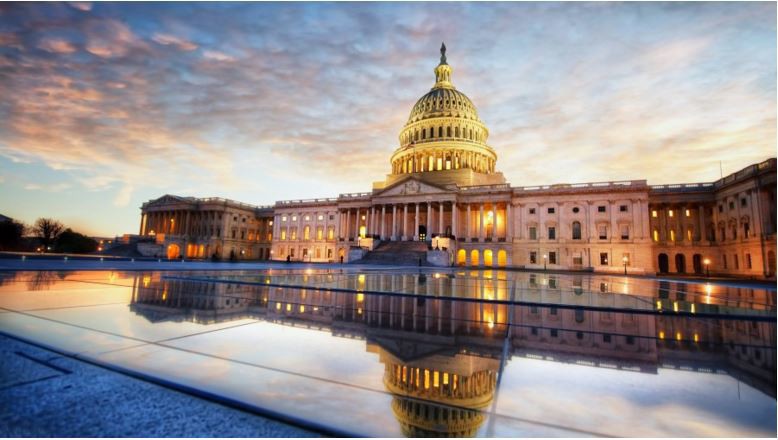
Following President Obama’s Tuesday speech on climate change, which
was largely overshadowed by events at the Supreme Court, the White House has
released state-by-state summaries indicating how a reduction of coal, carbon
and greenhouse gases will benefit the public.
was largely overshadowed by events at the Supreme Court, the White House has
released state-by-state summaries indicating how a reduction of coal, carbon
and greenhouse gases will benefit the public.
Here is the rundown they offered for Michigan:
THE WHITE HOUSE
Office of the
Press Secretary
Press Secretary
FOR IMMEDIATE RELEASE
June 26, 2013
Michigan: The
Threat of Carbon Pollution
Threat of Carbon Pollution

WASHINGTON, DC – On Tuesday, the President delivered
remarks at Georgetown University, laying out his vision for a comprehensive
plan to reduce carbon pollution, prepare our country for the impacts of climate
change, and lead global efforts to fight it. You can read the President’s
plan HERE and view
today’s state reports on the impact of climate change HERE.
remarks at Georgetown University, laying out his vision for a comprehensive
plan to reduce carbon pollution, prepare our country for the impacts of climate
change, and lead global efforts to fight it. You can read the President’s
plan HERE and view
today’s state reports on the impact of climate change HERE.
We have a moral
obligation to leave our children a planet that’s not polluted or damaged, and
by taking an all-of-the-above approach to develop homegrown energy and steady,
responsible steps to cut carbon pollution, we can protect our kids’ health and
begin to slow the effects of climate change so we leave a cleaner, more stable
environment for future generations.
obligation to leave our children a planet that’s not polluted or damaged, and
by taking an all-of-the-above approach to develop homegrown energy and steady,
responsible steps to cut carbon pollution, we can protect our kids’ health and
begin to slow the effects of climate change so we leave a cleaner, more stable
environment for future generations.
Climate change
impacts including severe weather, asthma attacks, prolonged allergy seasons,
and sea-level rise are affecting our security, our economy, and our
communities. In 2012 alone, the cost of weather disasters exceeded $110
billion in the United States, and climate change will only increase the
frequency and intensity of these events. Today, we already set limits for
arsenic, mercury and lead, but we impose no limits on how much carbon
pollution our power plants release.
impacts including severe weather, asthma attacks, prolonged allergy seasons,
and sea-level rise are affecting our security, our economy, and our
communities. In 2012 alone, the cost of weather disasters exceeded $110
billion in the United States, and climate change will only increase the
frequency and intensity of these events. Today, we already set limits for
arsenic, mercury and lead, but we impose no limits on how much carbon
pollution our power plants release.
Carbon pollution
is contributing to a higher risk of asthma attacks and more frequent and severe
storms, floods, heat waves, and wildfires, driving up food prices and
threatening our communities. The President’s Climate plan is a
comprehensive approach to cutting the pollution that causes climate change and
threatens public health, setting us on a path to make our communities
healthier, safer, and more resilient.
is contributing to a higher risk of asthma attacks and more frequent and severe
storms, floods, heat waves, and wildfires, driving up food prices and
threatening our communities. The President’s Climate plan is a
comprehensive approach to cutting the pollution that causes climate change and
threatens public health, setting us on a path to make our communities
healthier, safer, and more resilient.
THE IMPACT OF POLLUTION AND EXTREME WEATHER IN MICHIGAN
In 2011, power plants and major industrial facilities in
Michigan emitted more than 90 million metric tons of carbon pollution—that’s
equal to the yearly pollution from more than 19 million cars.
Michigan emitted more than 90 million metric tons of carbon pollution—that’s
equal to the yearly pollution from more than 19 million cars.
Recent incidents provide a reminder of the impacts to
our public health and costs due to extreme weather in Michigan. Although
we cannot say that climate change is responsible for any individual event,
climate change is already increasing our risks from these events.
our public health and costs due to extreme weather in Michigan. Although
we cannot say that climate change is responsible for any individual event,
climate change is already increasing our risks from these events.
Ø In 2012, hazardous weather caused 9 deaths, 119 injuries and cost $153 and
$42 million in property and crop damage respectively.
$42 million in property and crop damage respectively.
Ø In 2012, rapid plant growth as a result of unusually high temperatures and
warm, nighttime early spring temperatures resulted in tree fruit development
that was at least four weeks ahead of normal by late March. A return to a
normal spring weather pattern resulted in a series of freezes that destroyed
the cherry crop and at least 90% of the apple, peach, and juice grape
crops. An event of that severity had not occurred since 1945.
warm, nighttime early spring temperatures resulted in tree fruit development
that was at least four weeks ahead of normal by late March. A return to a
normal spring weather pattern resulted in a series of freezes that destroyed
the cherry crop and at least 90% of the apple, peach, and juice grape
crops. An event of that severity had not occurred since 1945.
Ø In Michigan, there were over 14,300 hospital admissions
for asthma in 2011, with an average charge of over $15,000 for each stay.
for asthma in 2011, with an average charge of over $15,000 for each stay.
ANTICIPATED CLIMATE-RELATED RISKS IN THE MIDWEST
Midwesterners will
experience increased frequency and intensity of extreme weather events due to
climate change, including heat waves, floods, and lake-effect snow. In
2011, 11 of the 14 U.S. weather-related disasters with damages of more than $1
billion occurred in the Midwest.
experience increased frequency and intensity of extreme weather events due to
climate change, including heat waves, floods, and lake-effect snow. In
2011, 11 of the 14 U.S. weather-related disasters with damages of more than $1
billion occurred in the Midwest.
While severe
flooding is already an issue in the region – in 2008, floods caused 24 deaths
and $8 billion in agricultural losses – likely increases in precipitation in
winter and spring and more heavy downpours mean it is expected to become more
commonplace. Greater evaporation in the summer is also likely to result
in water deficits.
flooding is already an issue in the region – in 2008, floods caused 24 deaths
and $8 billion in agricultural losses – likely increases in precipitation in
winter and spring and more heavy downpours mean it is expected to become more
commonplace. Greater evaporation in the summer is also likely to result
in water deficits.
Longer and more
extreme heat waves will impact human health through reduced air quality and
increases in insect and waterborne diseases, and require increased use of
electricity for cooling, further increasing carbon pollution. While the
longer growing season provides the potential for increased crop yields,
increases in heat waves, floods, droughts, insects, and weeds will present
growing challenges to managing crops, livestock, and forests.
extreme heat waves will impact human health through reduced air quality and
increases in insect and waterborne diseases, and require increased use of
electricity for cooling, further increasing carbon pollution. While the
longer growing season provides the potential for increased crop yields,
increases in heat waves, floods, droughts, insects, and weeds will present
growing challenges to managing crops, livestock, and forests.
CUTTING CARBON POLLUTION AND INCREASING RESILIENCE IN MICHIGAN
Climate change is
a long-term problem, but we can make substantial progress through a series of
steady and responsible steps. The President’s plan builds from progress
already underway to work with states, local communities, and the private sector
to reduce carbon pollution and to prepare our Nation for the impacts that
cannot be avoided. Since 2009, President Obama has taken a number of
common sense measures to combat carbon pollution, including:
a long-term problem, but we can make substantial progress through a series of
steady and responsible steps. The President’s plan builds from progress
already underway to work with states, local communities, and the private sector
to reduce carbon pollution and to prepare our Nation for the impacts that
cannot be avoided. Since 2009, President Obama has taken a number of
common sense measures to combat carbon pollution, including:
Ø Investing in Clean Energy: During the President’s
first term, the United States more than doubled its use of renewable energy
from wind, solar, and geothermal sources. In Michigan, renewable energy
generation from these sources increased nearly 50 percent. Since 2009,
the Administration has supported tens of thousands of renewable energy projects
throughout the country, including more than 190 in Michigan, generating enough
energy to power nearly 100,000 homes and helping Michigan meet its own goal of
generating 10 percent of its electricity from renewable energy sources plus
1,100 megawatts by 2015.
first term, the United States more than doubled its use of renewable energy
from wind, solar, and geothermal sources. In Michigan, renewable energy
generation from these sources increased nearly 50 percent. Since 2009,
the Administration has supported tens of thousands of renewable energy projects
throughout the country, including more than 190 in Michigan, generating enough
energy to power nearly 100,000 homes and helping Michigan meet its own goal of
generating 10 percent of its electricity from renewable energy sources plus
1,100 megawatts by 2015.
Ø Improving Efficiency: Using less energy to power our homes, businesses and vehicles is critical
to building a clean and secure energy future. President Obama has made
essential investments in research and development for energy efficiency
advances, and set new standards to make the things we use every day – from cars
to microwaves – more efficient.
to building a clean and secure energy future. President Obama has made
essential investments in research and development for energy efficiency
advances, and set new standards to make the things we use every day – from cars
to microwaves – more efficient.
· President Obama established the toughest fuel economy standards for
passenger vehicles in U.S. history. These standards will double the fuel
efficiency of our cars and trucks by 2025, saving the average driver more than
$8,000 over the lifetime of a 2025 vehicle and cutting carbon pollution.
passenger vehicles in U.S. history. These standards will double the fuel
efficiency of our cars and trucks by 2025, saving the average driver more than
$8,000 over the lifetime of a 2025 vehicle and cutting carbon pollution.
· Since October 2009, the Department of Energy and the Department of Housing
and Urban Development have jointly completed energy upgrades in more than one
million homes across the country, saving many families more than $400 on their
heating and cooling bills in the first year alone.
and Urban Development have jointly completed energy upgrades in more than one
million homes across the country, saving many families more than $400 on their
heating and cooling bills in the first year alone.
·
As part of the President’s Better Buildings Challenge,
Michigan State University committed to reducing energy intensity 20 percent by
2020 in 20 million square feet of campus buildings.
As part of the President’s Better Buildings Challenge,
Michigan State University committed to reducing energy intensity 20 percent by
2020 in 20 million square feet of campus buildings.
Ø Preparing Communities for the Consequences of Climate Change: The Obama Administration has worked since its earliest
days to strengthen the Nation’s resilience to climate change impacts, including
investing in critical science and tools, developing the first-ever Federal
agency climate adaptation plans, and directly partnering with
communities. For example, with support from Centers for Disease Control
and Prevention, Michigan health officials developed a plan to survey
heat-related illness which was used during the 2012 heat events.
days to strengthen the Nation’s resilience to climate change impacts, including
investing in critical science and tools, developing the first-ever Federal
agency climate adaptation plans, and directly partnering with
communities. For example, with support from Centers for Disease Control
and Prevention, Michigan health officials developed a plan to survey
heat-related illness which was used during the 2012 heat events.
Recent Posts:
 Warren ranked the most ‘white trash’ city in Michigan
- Working class unfairly pays more for car insurance…
- House of ‘Representatives?’ Baby Boomers outnumber…
- Michigan companies can’t fill jobs because too…
- Michigan avoids being Foxconned – Snyder bailed out…
- The recession recovery: Michigan No. 1 while 35…
- Islamophobic SH candidate calls on Michigan Tea…
- Michigan counties face a heavy hurt under…