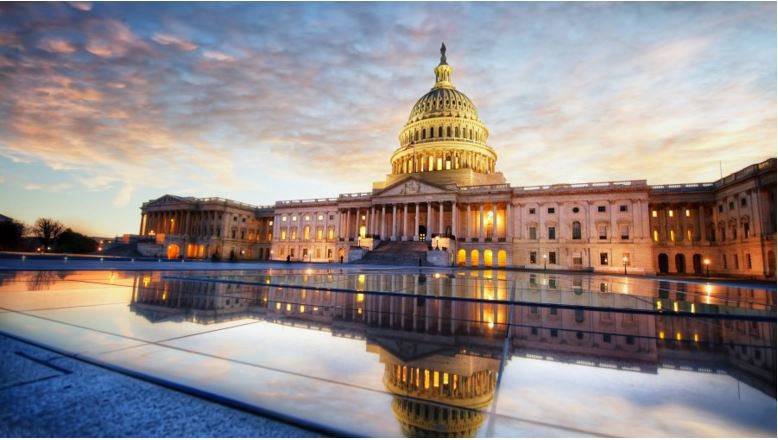
Here is my Sunday column …

Labor leaders and pro-union Democrats must have awakened
Friday morning with the biggest collective hangover in Michigan political
history.
Friday morning with the biggest collective hangover in Michigan political
history.
After a Thursday night spent drowning their sorrows, today
dawned with this painful reality hovering over them: Michigan will become a
right-to-work state.
dawned with this painful reality hovering over them: Michigan will become a
right-to-work state.
Following the Senate vote Thursday night that essentially sealed
the deal, the collective labor movement was stunned, disbelieving that the
Republican lawmakers and Gov. Rick Snyder managed to secure approval for
right-to-work legislation in a matter of eight hours.
the deal, the collective labor movement was stunned, disbelieving that the
Republican lawmakers and Gov. Rick Snyder managed to secure approval for
right-to-work legislation in a matter of eight hours.
On social media sites, some of the distraught pro-labor
forces referred to it as the “Thursday Afternoon Massacre.”
forces referred to it as the “Thursday Afternoon Massacre.”
The classic union tactic – deploying crowds of chanting
union protesters at the Capitol – had failed.
union protesters at the Capitol – had failed.
“It’s hard to get those visions out of your head. I
heard the chants and saw the faces all night long as I was trying to sleep,”
one political activist wrote on Facebook.
heard the chants and saw the faces all night long as I was trying to sleep,”
one political activist wrote on Facebook.
A pro-business website, jobcreatorssolutions.com, was
so amazed and delighted by the vote in Lansing that they compared the sequence
of events to a science fiction movie.
so amazed and delighted by the vote in Lansing that they compared the sequence
of events to a science fiction movie.
Clearly, this was an astounding turn of events. Michigan,
the birthplace of the labor movement and the UAW, will become the 24th
right-to-work state. Most Democrats thought that right-to-work would never see
the light of day in Michigan, except, maybe, as the 50th and final state to go
that route.
the birthplace of the labor movement and the UAW, will become the 24th
right-to-work state. Most Democrats thought that right-to-work would never see
the light of day in Michigan, except, maybe, as the 50th and final state to go
that route.
In the Capitol, times have changed – gradually over many
years, but also in the space of one historic day.
years, but also in the space of one historic day.
The story captured national attention, with eclectic coverage
provided by CNN, The Washington Post, The Huffington Post, Fox News, MSNBC, The
National Review and prominent coverage in The New York Times.
provided by CNN, The Washington Post, The Huffington Post, Fox News, MSNBC, The
National Review and prominent coverage in The New York Times.
In the end, Democrats and labor leaders were outmaneuvered
and outgunned. And a $1 million appropriation attached to the bills by
Republicans makes the legislation referendum-proof, so the measure cannot be
reversed through a ballot proposal.
and outgunned. And a $1 million appropriation attached to the bills by
Republicans makes the legislation referendum-proof, so the measure cannot be
reversed through a ballot proposal.
This is the new version of the Michigan GOP, which has
completed its 180-degree turn to the right on labor issues.
completed its 180-degree turn to the right on labor issues.
Snyder set the wheels in motion by announcing his support
for the legislation, a reversal on an issue that he had said for two years was
not on his plate. The GOP leadership ate up the Snyder switch, quickly
introducing sweeping legislation in the House and Senate.
for the legislation, a reversal on an issue that he had said for two years was
not on his plate. The GOP leadership ate up the Snyder switch, quickly
introducing sweeping legislation in the House and Senate.
No committee hearings. No detailed discussions of the
pros and cons.
pros and cons.
The GOP under Senate Majority Leader Randy Richardville
and House Speaker Jase Bolger set a new standard for “ramming the bill through
in the lame-duck session.”
and House Speaker Jase Bolger set a new standard for “ramming the bill through
in the lame-duck session.”
Despite the chaos all around them – chanting workers,
police pepper spray and arrests, a Capitol lockdown — the determined
Republicans wouldn’t halt this fast-track locomotive.
police pepper spray and arrests, a Capitol lockdown — the determined
Republicans wouldn’t halt this fast-track locomotive.
Solidarity forever, GOP style.
At this point, it seems clear that the unions’ decision
to push hard for Proposal 2, the November ballot measure, was a strategic
blunder. That proposal would have enshrined collective bargaining and a ban on
right-to-work in the Michigan Constitution, along with several pro-labor
goodies that prompted even some liberal commentators to oppose the proposition.
The proposal angered the business community, led the GOP
to view it as a brash overreach by labor and the Democrats, and reportedly
irritated Snyder to the point where it caused him to flip-flop on
right-to-work.
This was the Dems’ comeuppance.
One GOP insider told me privately: “If there wasn’t a Proposal 2, this right-to-work legislation never would have happened.”
The move to put right-to-work in statute, viewed as a blatant union-busting tactic by Democrats
who are licking their wounds, has sparked cries for an all-out political war on
the GOP and particularly on Snyder.
who are licking their wounds, has sparked cries for an all-out political war on
the GOP and particularly on Snyder.
The governor will be targeted heavily by the Dems in
2014, but at least he doesn’t have to worry about an intra-party challenge in
the August ’14 primary. That was the threat floated by Freedom to Work, the
conservative political group pushing right-to-work in Michigan, if Snyder
vetoed a right-to-work bill.
2014, but at least he doesn’t have to worry about an intra-party challenge in
the August ’14 primary. That was the threat floated by Freedom to Work, the
conservative political group pushing right-to-work in Michigan, if Snyder
vetoed a right-to-work bill.
Once a few technical issues are handled and the House and
Senate send a final bill to the governor on Tuesday, he is sure to sign it
regardless of the pressures coming from various quarters, including the White
House.
Senate send a final bill to the governor on Tuesday, he is sure to sign it
regardless of the pressures coming from various quarters, including the White
House.
With a new statewide poll showing a plurality of voters
less likely to vote for a governor or legislator who supported right-to-work,
it remains to be seen if the Republican Party is acting with their head or
their heart.
less likely to vote for a governor or legislator who supported right-to-work,
it remains to be seen if the Republican Party is acting with their head or
their heart.
GOP leaders believe that a right-to-work atmosphere in
Michigan will create new jobs and employers, but they also know that the
political coup they pulled off will reap partisan rewards. After a long, steady
decline in membership and political clout, the Michigan unions, once the
lifeblood of the state Democratic Party, will undoubtedly see their influence
fall further under right-to-work.
Yet, Dem chairman Mark Brewer, the longest serving state
party chairman in the nation, may emerge stronger than ever. Brewer, who is
closely tied to labor, will make the reversal of Snyder’s anti-union policies Priority
No. 1 for the Democrats for years.
party chairman in the nation, may emerge stronger than ever. Brewer, who is
closely tied to labor, will make the reversal of Snyder’s anti-union policies Priority
No. 1 for the Democrats for years.
But returning to the days when Republican legislators
were pro-union is pure fantasy.
were pro-union is pure fantasy.
Congressman Sandy Levin describes the actions of 1965
when two bills he authored as a state senator — to strengthen labor rights for
the private sector, and to allow full collective bargaining in the public
sector — were up for approval in Lansing.
when two bills he authored as a state senator — to strengthen labor rights for
the private sector, and to allow full collective bargaining in the public
sector — were up for approval in Lansing.
Republican Gov. George Romney (Mitt’s father) actively
participated in the process of getting the legislation passed in a bipartisan
manner.
participated in the process of getting the legislation passed in a bipartisan
manner.
The result? The bill for public employees was adopted
34-1 in the Senate and 90-6 in the House. The bill for the private sector won
approval by a vote of 35-2 in the Senate and 93-0 in the House.
34-1 in the Senate and 90-6 in the House. The bill for the private sector won
approval by a vote of 35-2 in the Senate and 93-0 in the House.
I suspect one look at those ’65 vote tallies would put
today’s Republicans in a state of disbelief every bit as disorienting as the
shock that still has not worn off since Thursday among the Democrats.
today’s Republicans in a state of disbelief every bit as disorienting as the
shock that still has not worn off since Thursday among the Democrats.