State Sen. Jack Brandenburg is firing back at critics who
say a bill he pushed through the Legislature has become a cushy, $280
million tax break for the business community.
say a bill he pushed through the Legislature has become a cushy, $280
million tax break for the business community.
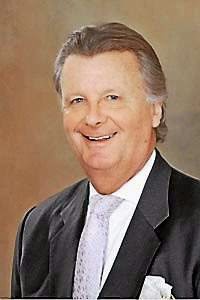 The bill makes it more difficult for the state Treasury Department to
collect overdue business taxes from a corporate officer who was not
employed with the targeted company when the delinquent taxes were racked
up.
The $280 million hole, projected over three years, raised eyebrows in
Lansing earlier this month when the state’s new revenue estimates came
up $1 billion short of what was previously anticipated.
Lansing earlier this month when the state’s new revenue estimates came
up $1 billion short of what was previously anticipated.
Brandenburg, a Harrison Township Republican who chairs the Senate
Finance Committee, said he was approached by business owners and
business lobbyists who said that corporate officers – whether an owner, a
CEO or a member of the company’s board of directors – were being hit
individually with “draconian” penalties by the Treasury Department for
non-payment of taxes that did not occur on their watch.
“I was given concrete examples of Treasury just absolutely terrifying
people,” Brandenburg said. “This department has gone rogue, without a
doubt.”
people,” Brandenburg said. “This department has gone rogue, without a
doubt.”
When he tried to work with Treasury officials to determine the
parameters of the problem outlined by the business community,
Brandenburg said the result was a disaster: “They lied, they
exaggerated, they were evasive … they are department that feels like
they don’t have to work with anyone.”
parameters of the problem outlined by the business community,
Brandenburg said the result was a disaster: “They lied, they
exaggerated, they were evasive … they are department that feels like
they don’t have to work with anyone.”
Treasury spokesman Terry Stanton could not be reached for comment. In the past, the department has called Brandenburg’s complaints
about their methods out of bounds.
about their methods out of bounds.
The first Brandenburg bill, introduced about 18 months ago, was
passed by the Legislature but was vetoed by Gov. Rick Snyder whose
office felt it was too lenient in reducing liability for corporate
officers.
A revised version with tightened language was unanimously approved by
both the House and Senate — a rarity in the highly charged, partisan
atmosphere in the Capitol of late — and was signed by Snyder in
February.
both the House and Senate — a rarity in the highly charged, partisan
atmosphere in the Capitol of late — and was signed by Snyder in
February.
The governor called the measure an attempt to create more fairness in
the tax system and to “establish a more positive business tax
environment.”
the tax system and to “establish a more positive business tax
environment.”
But the dawning of Public Act 3 was unusual in that the legislation
was wrapped up without an estimate from the Senate Fiscal Agency about
how much it would cost. The $280 million estimate, which was released
about a month after the bill passed, was largely overlooked until the
new state revenue estimates, which were supposed to yield good news,
turned sour.
was wrapped up without an estimate from the Senate Fiscal Agency about
how much it would cost. The $280 million estimate, which was released
about a month after the bill passed, was largely overlooked until the
new state revenue estimates, which were supposed to yield good news,
turned sour.
Brandenburg doesn’t trust the projection of a budget gap of more than
one-quarter billion dollars based on his bill. In fact, he believes
Treasury took liberties in crunching the numbers.
one-quarter billion dollars based on his bill. In fact, he believes
Treasury took liberties in crunching the numbers.
“This is just their petty, childish way of trying to get even” for a
law that limits their powers, said Brandenburg, a longtime small
business owner. “They … are 1,700 people acting like a bunch of
goddamn cowboys.”
The department oversees and enforces the collection of property,
sales, payroll and business income taxes. Treasury auditors have had
wide leeway to take tough actions to force tax collections. The business
community has complained that the department takes a “guilty until
proven innocent approach” by showing up at a company and immediately
slapping a tax lien on the owner or CEO’s house, and giving the company
a short timeline to pay up in order to avoid closure of their business
operation.
sales, payroll and business income taxes. Treasury auditors have had
wide leeway to take tough actions to force tax collections. The business
community has complained that the department takes a “guilty until
proven innocent approach” by showing up at a company and immediately
slapping a tax lien on the owner or CEO’s house, and giving the company
a short timeline to pay up in order to avoid closure of their business
operation.
Another claim is that Treasury auditors are “going after the wrong
guy” by hastily imposing penalties on the CEO who answers the door
rather than searching out a prior owner or corporate officer who was
responsible for not paying taxes. In some cases, nondisclosure of
delinquent taxes is an issue when a business is sold.
In other cases, a business can take a big hit in attorney fees if it
chooses to go up against the state and challenge the penalties they face
in a legal setting.
chooses to go up against the state and challenge the penalties they face
in a legal setting.
Brandenburg said he was concerned that the Treasury’s aggressive
approach was hurting Snyder’s effort to revive the Michigan economy and
convince employers to stay in the state.
approach was hurting Snyder’s effort to revive the Michigan economy and
convince employers to stay in the state.
“The anxiety level of doing business in Michigan,” he said, “is already pretty high.”