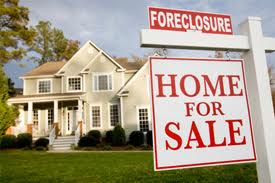
(Getty Images)
ProPublica has produced an interesting report that takes a common perception — that those with “underwater” mortgages are tied to their homes – and turns it on its head.
The story by Lena Groeger smashes the prevailing wisdom that those who owe more or their mortgages than their houses are worth are “tethered to their homes” because they cannot sell. Some cite this tethering as a significant hurdle to a housing market recovery.
Groeger reports that economist Sam Schulhofer-Wohl at the Federal Reserve Bank of Minneapolis, by taking an unconventional look at Census data, concluded that underwater homeowners are actually more likely to move.
If you owed more than your home was worth and were desperate for a job, Schulhofer-Wall postulated, maybe you’d rent your house while you left to try greener pastures, or you might even ditch the house altogether, especially if the bank was going to foreclose on you anyway. So Schulhofer-Wohl re-analyzed the data by including properties that were rented or vacant.
“I thought, let’s count as moves all the times where someone moved out and rented their house, or moved out and left it vacant, which could happen if they were foreclosed upon.” He found that if you included all the renter or vacancy cases, people with negative equity were actually more mobile than those with positive equity.
You can read the full story here.