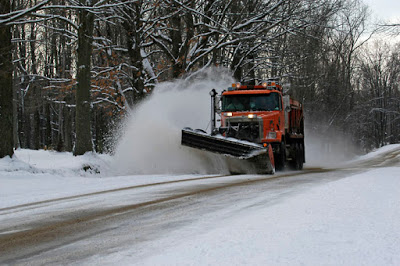

The county road commissions in Michigan may soon have the ability to beat winter weather to the punch with a new concept called anti-icing.
According to the County Road Association (CRA), the process is similar
to applying cooking oil that prevents food from sticking to a frying pan.
In an 8-year study by the Road Commission for Montcalm County, road
crews found anti-icing to be an effective tool in combating dangerous winter
driving conditions.
“We have to do what we can to make roads safe for travel as quickly as
possible,” said Mark Christensen, superintendent-manager for Montcalm County
roads, in the latest issue of Crossroads magazine, published by the
CRA. “Anti-icing is a proactive approach to winter road maintenance. We’ve seen
the success of anti-icing and learned when and where it works best.”
The county has also cut its salt use substantially, dropping from 15,000 tons per year to about 5,000 tons, depending on the severity of the winter. This saves the road commission winter-maintenance money as the price of salt continues to rise.
Recent Posts:
 Michigan companies can’t fill jobs because too…
- Warren ranked the most ‘white trash’ city in Michigan
- Michigan avoids being Foxconned – Snyder bailed out…
- The recession recovery: Michigan No. 1 while 35…
- Islamophobic SH candidate calls on Michigan Tea…
- Michigan counties face a heavy hurt under…
- Michigan Obamacare rate increases could average 28 percent
- Website says 80% of Michigan’s best elementary…