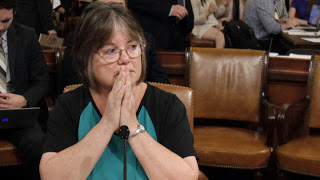
Emotional testimony is taking place
at today’s House Ways and Means Committee hearing, with members of tea party groups
harassed by the IRS accusing the agency of demonstrating “the jackboot of
tyranny.”
at today’s House Ways and Means Committee hearing, with members of tea party groups
harassed by the IRS accusing the agency of demonstrating “the jackboot of
tyranny.”
According to NPR, Karen Kenny from
the San Fernando Valley Patriots of California told the committee that the IRS “asked
… in relation to protests asked for a listing of our ‘committed violations of
local ordinances, breaches of public order or arrests’ then requested details
on how we ‘conduct or promote’ illegal activities. I think the IRS needs to fix
this: We’re the San Fernando Valley Patriots, not Occupy Oakland.”
the San Fernando Valley Patriots of California told the committee that the IRS “asked
… in relation to protests asked for a listing of our ‘committed violations of
local ordinances, breaches of public order or arrests’ then requested details
on how we ‘conduct or promote’ illegal activities. I think the IRS needs to fix
this: We’re the San Fernando Valley Patriots, not Occupy Oakland.”
 |
| (Karen Kenny) |
Kenny said her organization applied
for tax-exempt status in October 2010. But
she “stopped the costly and exhausting IRS process in July 2012. We
survive on card and donations in our cake tin. Like patriots before us, we
persevere.”
for tax-exempt status in October 2010. But
she “stopped the costly and exhausting IRS process in July 2012. We
survive on card and donations in our cake tin. Like patriots before us, we
persevere.”
Becky Gerritson from the Wetumpka
Tea Party of Alabama said it took 635 days for her group to achieve tax-exempt
status, according to NPR. Information she was told to supply included “my
list of donors, including the amounts that they gave. … 501(c)4 organizations
do not have to disclose donor information. I knew that. Why didn’t [the
IRS]?”
Tea Party of Alabama said it took 635 days for her group to achieve tax-exempt
status, according to NPR. Information she was told to supply included “my
list of donors, including the amounts that they gave. … 501(c)4 organizations
do not have to disclose donor information. I knew that. Why didn’t [the
IRS]?”
Choking back tears, Gerritson
concluded her statement to the committee by saying she isn’t “interested
in scoring political points. I want to protect and preserve the America I grew
up in, the America that people cross oceans and risk their lives to become a
part of. And I’m terrified that it’s slipping away.”
concluded her statement to the committee by saying she isn’t “interested
in scoring political points. I want to protect and preserve the America I grew
up in, the America that people cross oceans and risk their lives to become a
part of. And I’m terrified that it’s slipping away.”
According to The Hill, a
representative from an anti-abortion rights group will testify the IRS tried to
limit its protesting of Planned Parenthood.
Sue Martinek of the Coalition for Life of Iowa is expected to recount her
experience trying to convince the IRS to grant her group tax-exempt status as a 501(c)(3) group.
representative from an anti-abortion rights group will testify the IRS tried to
limit its protesting of Planned Parenthood.
Sue Martinek of the Coalition for Life of Iowa is expected to recount her
experience trying to convince the IRS to grant her group tax-exempt status as a 501(c)(3) group.
Press reports indicate that her
group was asked how often it prays and whether it considers these prayers to be “educational,” and that
the IRS pressured the group to limit its advocacy against Planned Parenthood.
group was asked how often it prays and whether it considers these prayers to be “educational,” and that
the IRS pressured the group to limit its advocacy against Planned Parenthood.
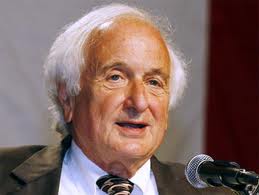
Congressman Sandy Levin, the
top-ranking Democrat on the committee, continues to hammer the IRS for “gross
mismanagement.” But he also suggested that the degree of partisanship at play within
the IRS is less than what has been reported. The Royal Oak Democrat, who
represents most of Macomb County, also called for more clear-cut standards to
determine which nonprofits meet the guidelines that require they engage “primarily”
in social welfare activities.
top-ranking Democrat on the committee, continues to hammer the IRS for “gross
mismanagement.” But he also suggested that the degree of partisanship at play within
the IRS is less than what has been reported. The Royal Oak Democrat, who
represents most of Macomb County, also called for more clear-cut standards to
determine which nonprofits meet the guidelines that require they engage “primarily”
in social welfare activities.
Here is Levin’s opening statement:
At our first hearing, and every day since, each of us
on a bipartisan basis have condemned the actions within the IRS exempt
organization division and condemned the actions by the IRS leadership who
failed to accurately and adequately inform Congress after they had all of the
facts of what had occurred between 2010 and 2012.
on a bipartisan basis have condemned the actions within the IRS exempt
organization division and condemned the actions by the IRS leadership who
failed to accurately and adequately inform Congress after they had all of the
facts of what had occurred between 2010 and 2012.
We have all said that the singling out (groups) by
name was wrong. The president said it was “outrageous.” The delays
of over 13 months in processing applications were wrong and the fact that the
applications of some organizations have been pending for over three years is
inexcusable. The inability to get clear guidance on how to measure
political activity was wrong. And, the burdensome questions and inquiries
were totally inappropriate. The handling of these applications was gross
mismanagement by the IRS exempt organization division. That’s why the day after
the report was issued I called for Acting Commissioner Steve Miller and the
Exempt Organization Division Director Lois Lerner to be replaced.
name was wrong. The president said it was “outrageous.” The delays
of over 13 months in processing applications were wrong and the fact that the
applications of some organizations have been pending for over three years is
inexcusable. The inability to get clear guidance on how to measure
political activity was wrong. And, the burdensome questions and inquiries
were totally inappropriate. The handling of these applications was gross
mismanagement by the IRS exempt organization division. That’s why the day after
the report was issued I called for Acting Commissioner Steve Miller and the
Exempt Organization Division Director Lois Lerner to be replaced.
Since our (May 17) hearing, progress has been made to
address the malfeasance that occurred within the IRS exempt organization
division and to ensure that all of the facts come to the surface and that all
identified problems are corrected so that the confidence of the American people
may be restored:
address the malfeasance that occurred within the IRS exempt organization
division and to ensure that all of the facts come to the surface and that all
identified problems are corrected so that the confidence of the American people
may be restored:
*
Steve Miller resigned as the IRS commissioner
Steve Miller resigned as the IRS commissioner
*
The president appointed Daniel Werfel as the acting IRS commissioner
and (Treasury) Secretary Lew instructed him to immediately conduct a 30-day
review and to implement the recommendations in the (Inspector General’s) report
The president appointed Daniel Werfel as the acting IRS commissioner
and (Treasury) Secretary Lew instructed him to immediately conduct a 30-day
review and to implement the recommendations in the (Inspector General’s) report
*
Lois Lerner, the director of the Exempt Organization division, was put
on administrative leave by Commissioner Werfel
Lois Lerner, the director of the Exempt Organization division, was put
on administrative leave by Commissioner Werfel
*
Commissioner Werfel appointed David Fisher as the chief risk officer.
Mr. Fisher previously served as the chief administrative officer and chief financial
officer at (the General Accountability Office) GAO
Commissioner Werfel appointed David Fisher as the chief risk officer.
Mr. Fisher previously served as the chief administrative officer and chief financial
officer at (the General Accountability Office) GAO
*
And yesterday, he appointed a new deputy commissioner and chief of staff,
both with significant managerial and administrative experience.
And yesterday, he appointed a new deputy commissioner and chief of staff,
both with significant managerial and administrative experience.
 To the individuals testifying before us, the
organizations they represent, and all the others who were caught up in this
malfeasance, you are owed an apology. We say to you that each of us is
committed to doing our part to ensure this does not happen again.
The IG’s report includes a number of key facts that we
should keep in mind today:
should keep in mind today:
The IG determined that the applications of 298
organizations were set aside for further review. One-third of the
applications that were set aside – 96 – contained the name, “Tea Party,”
“9/12,” or “Patriots.” While the remaining 202 applications did not.
organizations were set aside for further review. One-third of the
applications that were set aside – 96 – contained the name, “Tea Party,”
“9/12,” or “Patriots.” While the remaining 202 applications did not.
The IRS released a list of 176 advocacy organizations
that have been approved for tax-exempt status through May 9, 2013. The news
organization Tax Analysts did
an analysis of the list released by the IRS. Its conclusion as to the
approved applicants states: “these organizations are the following: 46 with Tea
Party, Patriots, or 9/12 in their name, 76 other conservative organizations, 48
non-conservative organizations, and six organizations about which we can make
no determination.”
that have been approved for tax-exempt status through May 9, 2013. The news
organization Tax Analysts did
an analysis of the list released by the IRS. Its conclusion as to the
approved applicants states: “these organizations are the following: 46 with Tea
Party, Patriots, or 9/12 in their name, 76 other conservative organizations, 48
non-conservative organizations, and six organizations about which we can make
no determination.”
This is not a Democratic or Republican issue. It
should not be.
should not be.
This issue is a direct reflection on highly
inappropriate actions within the IRS Exempt Organization division and totally
incompetent management within and over that division. The (IG’s) report
highlights more problems than the singling out by name. The report found
that IRS employees were screening applications that had no indications of
significant political activities while closing cases that did have such
indications.
inappropriate actions within the IRS Exempt Organization division and totally
incompetent management within and over that division. The (IG’s) report
highlights more problems than the singling out by name. The report found
that IRS employees were screening applications that had no indications of
significant political activities while closing cases that did have such
indications.
To qualify for tax-exempt status as social welfare
organizations, the tax code provides that an organization must be operated
“exclusively” for the promotion of social welfare. The regulations,
however, state that an organization will qualify for tax-exempt status if it
operated “primarily” for social welfare purposes. Overall the data
indicate an emerging use of the social welfare designation under Section 501(c)
4 to engage in political activity. 501(c) 4s spent $92 million in the
2010 election. They spent $254 million in the 2012 election – the second
largest category of organizations making political expenditures — equal to that
of political parties.
organizations, the tax code provides that an organization must be operated
“exclusively” for the promotion of social welfare. The regulations,
however, state that an organization will qualify for tax-exempt status if it
operated “primarily” for social welfare purposes. Overall the data
indicate an emerging use of the social welfare designation under Section 501(c)
4 to engage in political activity. 501(c) 4s spent $92 million in the
2010 election. They spent $254 million in the 2012 election – the second
largest category of organizations making political expenditures — equal to that
of political parties.
One recommendation in the IG’s report was that the IRS
and the Department of Treasury include guidance on how to measure the “primary
activity” of social welfare organizations be included for consideration in
their priority guidance plan. We urge them to move with all deliberate
speed to implement this recommendation.
and the Department of Treasury include guidance on how to measure the “primary
activity” of social welfare organizations be included for consideration in
their priority guidance plan. We urge them to move with all deliberate
speed to implement this recommendation.
In closing, I thank the witnesses for being here today
and discussing your experiences.
and discussing your experiences.
Please be assured that we take seriously our
responsibility to ensure that Congress gets to the bottom of what happened,
that those responsible are held accountable, and that safeguards are in place
to ensure that this does not happen again.
responsibility to ensure that Congress gets to the bottom of what happened,
that those responsible are held accountable, and that safeguards are in place
to ensure that this does not happen again.