As the annual ritual of listing the top stories of the year is in full swing, I make the claim that there were more major news events, in the U.S., across the globe, and here at home in 2011 than at any point in my lifetime (born 1959).
And perhaps beyond.
Sure, World War II was a life-changing event, but Pearl Harbor certainly did not occur in the same year as D-Day or Hiroshima.
The Great Depression was another marker, but the stock market crash was separated by years from the height of unemployment and the Dust Bowl.
The end of the Cold War was a far-reaching moment, but the fall of the Berlin Wall and the collapse of the Soviet Union were not single-year happenings.
I would suspect that 1968, with the assassinations of Martin Luther King and Bobby Kennedy, urban riots in more than 100 cities, the further heightening of the Vietnam War, and the chaos at the Democratic convention would certainly qualify. But my knowledge of those 365 days was learned through history books and I will leave the judgment on how newsworthy ’68 was compared to all the years since to someone with more knowledge and perspective than I.
As for the reasons why I put 2011 at the top of the list, let me make my case.
Here, in no particular order, are the big news stories of the past year:
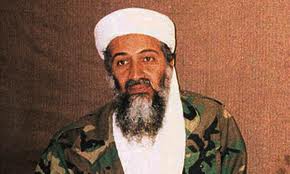
- Al-Qaida mastermind Osama bin Laden, Public Enemy No.1, is killed in a daring raid in Pakistan by U.S. Navy Seals.
- A record number of violent tornadoes, floods and droughts hit the U.S., killing hundreds of people, damaging the economy, and demolishing the record for the most weather events in one year that produced $1 billion or more in damage.
- The Arab Spring brings a level of upheaval and reform to the Middle East that was unimaginable over the past several decades. Tunisia ousts a dictator and establishes an early form of democracy. Libyans engage in a successful civil war that opens up their nation. Egyptians overthrow strongman Hozni Mubarak after weeks of demonstrations. Syrians brave gunfire and tanks to bring their nation to the cusp of ousting their totalitarian leader, Bashar Assad.
- The final NASA shuttle flight is concluded, ending three decades of inspiring progress for the space program.
- Congresswoman Gabby Giffords is among several casualties as a crazed gunman opens fire at an Arizona town hall meeting. Giffords, shot in the head, makes an amazing comeback and returns to Congress, if just for one day.
- The auto industry succeeds in a massive rebound after bankruptcy and assumptions by some that it would die a quiet death. Up to 1 million jobs are saved and the Big Three produces high-quality products while enjoying big profits.
- The Iraq War ends after nearly nine years, as all U.S. troops are withdrawn and most are home for the holidays.
- The madman of Libya, Moammar Gadhafi, is killed by freedom fighters.
- Despite considerable political weaknesses demonstrated by President Barack Obama, the Republican presidential primary race unfolds in an unprecedented, wacky way. Over a span of eight months, the campaign experiences six different frontrunners who rise and fall – all before a single vote is cast.
- The potential collapse of the European Union sends jitters throughout world financial markets. Attempts by European governments to cut back on their benevolent approach to entitlements leads to violent riots in Greece, England and Italy.
- The BP oil spill contaminates the Gulf waters, leaving businesses in the surrounding states to cope with a lost year of income. The spill also raises major questions, ranging from negligence to criminality, as to the inability of the oil industry to halt a big spill in deep water. In retrospect, the Top Hat and the infusion of golf balls was not comforting.
- The Occupy Wall Street movement blossoms across the country, with young people protesting income inequality, crony capitalism and economic circumstances that leave college graduates with big student loan debts and no prospects for a job in their field.
- A massive earthquake and tsunami hits Japan, causing huge losses of life, shocking destruction, a halt in auto production and, most disturbing, a meltdown at the Fukishima nuclear power facilities that may leave long-lasting environmental damage and lingering questions about the world’s safeguards at nuke plants.
- The longest war in U.S. history continues in Afghanistan with little hope that the Afghani security forces, under the control of a corrupt, inept government, are ready to take charge any time soon.
- Kim Jong Il, North Korea’s irrational dictator, dies. That leaves open the possibility of North Korean openness and accommodation under the leadership of his young son, Kim Jong Un.
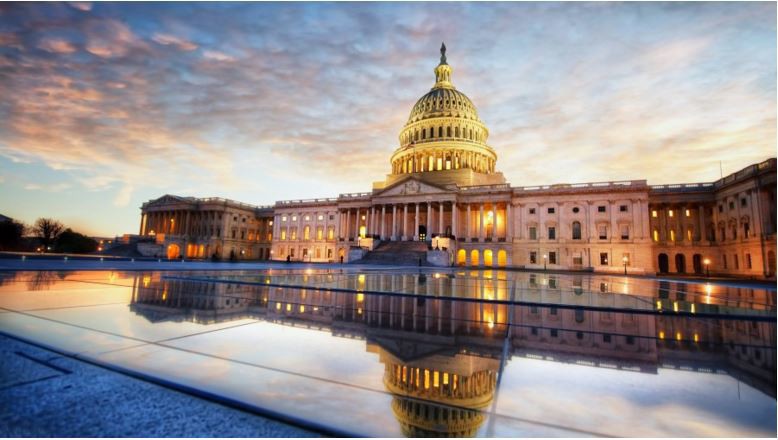
- Washington experiences a meltdown, with partisan divides between the president and Republican congressman pushing the nation to the brink of a government shutdown (twice) and a default on the U.S. debt obligations.
- The TARP bailout proves a major success, with nearly all of the funds paid back by banks, at a profit to taxpayers. But the huge financial institutions continue to post huge profits and corporate bonuses while squeezing small businesses out of the loan process.
- The nation’s housing market maintains its slide, extending a dropoff not seen since the Depression, with 2 million additional foreclosures in 2011 and nearly 20 percent of American homeowners stuck with an “underwater” mortgage.
- A monumental political fight in Wisconsin sparks huge protests for several weeks as workers oppose Gov. Scott Walker’s ultimately successful bid to scrap many labor rights for public employees. Recall elections and public upheaval are the result.
- Similar protests in Ohio lead to a repeal of a law that would also clamp down on labor rights for the state’s workers.
- New discoveries of attainable natural gas deposits in the northeast, centered in Pennsylvania, give hope that the U.S. could be free of Middle East oil imports in just a matter of years.
- Iconic entrepreneur Steve Jobs, who brought us Pixar, the Mac, the iPod, the iPhone and the iPad, dies after a long battle with cancer.
- A disgraced former governor of one of the nation’s largest states, Illinois, is convicted on multiple counts of fraud, including an effort to “sell” an appointment to an open U.S. Senate seat.
Closer to home, a number of big stories also filled our front pages in 2011:
* Gov. Rick Snyder overhauls the Michigan political landscape – and countless government policies – by dramatically cutting business taxes, reducing funds for K-12 schools and universities, creating an emergency manager system that essentially allows a takeover of financially troubled cities, imposing new taxes on some retirees’ income, ending the state’s lucrative tax credits for the film industry, establishing new restrictions on the welfare program, and slashing funds for municipalities while encouraging unprecedented consolidation of local services.
* Detroit tries to stave off bankruptcy as the mayor and council bicker, endangering a fledgling economic comeback in the downtown and midtown areas while potentially lowering the credit rating of all of southeast Michigan.
* Wayne County is rocked by scandal as severance packages, contracting irregularities, and allegations of cronyism and graft spark a federal investigation.
* The U.S. Census reveals that Michigan is the only state in the nation to lose population over the past decade, Detroit lost a shocking 25 percent of its population, and Macomb County continues to grow, with a more diverse population of minorities and immigrants.
* The “underwear bomber” pleads guilty to an attempt to blow up an airliner over Detroit on Christmas Day, 2009, essentially bringing to an end a matter that could have become the biggest story in Metro Detroit history.
So, there are 28 reasons why I believe 2011 was the newsiest year in five decades, at least. And I may have forgotten a few big stories of the past year.
Let me know what you think in the comments section below.