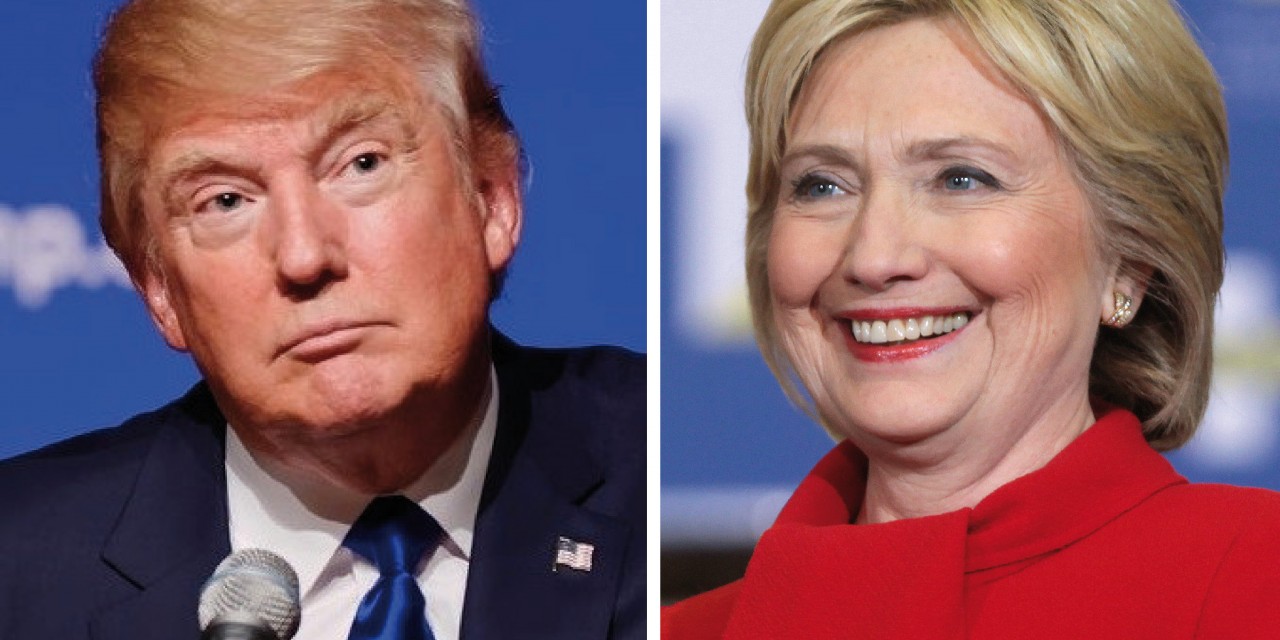
Here’s a number that will give voters pause – a mere 9 percent of the U.S. population cast ballots during the primary process for the nominees, Donald Trump and Hillary Clinton.
The New York Times’ “Upshot” blog has compiled the numbers and the result shows that the highly charged primary season, while it represented a huge step toward winning the White House, is a far cry from a determining factor in the general election. Big turnouts in certain primary states are by no means a leading indicator in a nation of 324 million people.
First, the Upshot notes, more than half do not or cannot vote. Those ineligible include children, non-citizens and (in most states) felons. Those eligible who did not vote in the 2012 general election number close to 100 million.
In the 2016 primaries, about 60 million people cast ballots, roughly 30 million each for Republicans and Democrats.
But half of the primary voters chose other candidates, not Trump or Clinton. In fact, because of the unprecedented 17 candidates seeking the GOP nomination, more than 10 million votes were cast against Trump. Where those Republican votes now go – and what the Bernie Sanders loyalists choose to do with their general election ballot – is a question with millions of individual answers.
That’s because just 14 percent of eligible adults — 9 percent of the entire nation — voted for either Trump or Clinton during the primary season.
The Times notes that in the last election cycle without an incumbent, 2008, the number of primary participants was similar.
The bottom line: Trump and Clinton are battling for the support of tens of millions of voters — mostly independents and those who don’t vote in primaries — who represent a far larger group of voters than those who put the two front and center as party nominees.