Magazine:

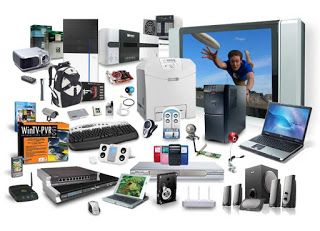
… A typical family with a $55,000 to $65,000
income now enjoys a 2,000 square foot home with four bedrooms, three cars, two
or three TVs (mostly HD flat-screen models), Internet service, Wi-Fi, smart
phones, PCs, laptops or tablets, Xbox, maybe Netflix, perhaps a treadmill, a CD
and DVD player, a DVR, satellite or cable TV service with hundreds of channels,
a “man cave” in the basement and a swimming pool or fancy patio/deck in the
back yard.
average Americans in 2015, “so much of the day is spent doing things that
didn’t exist (in 1980).”
What’s more, technological innovations keep
producing new and better gadgets accompanied by a dramatic drop in cost for
electronics, a trend that began with now-outdated calculators and continues
with nearly-outdated CD and DVD players.
If you paid $400 for a large, wide-screen,
flat-screen HD TV today, and you paid $400 for a regular TV 10 years ago, did
you really pay the same price for the same product? Obviously not.
Certainly, the long-term loss of U.S.
manufacturing and good-paying union jobs has degraded the parameters of today’s
middle class life. Some key household expenses such as college tuition
have exploded. Growing income inequality is undeniable.
But, lifestyles mostly have changed dramatically
for the better since the childhood days of, “The Wonder Years” era.
Income comparisons stretching back to the 1980s—or even the 1960s—don’t
tell the full story. Several obvious demographic reasons explain some of
this. Couples today marry later, both parents work, and they have fewer kids to
feed and clothe in their household.