Friday, January 24, 2014
Macomb County’s term-limited state House seats represent the
political plums of the 2014 campaign season and two of those three
incumbent-free races have already produced frontrunners.
political plums of the 2014 campaign season and two of those three
incumbent-free races have already produced frontrunners.
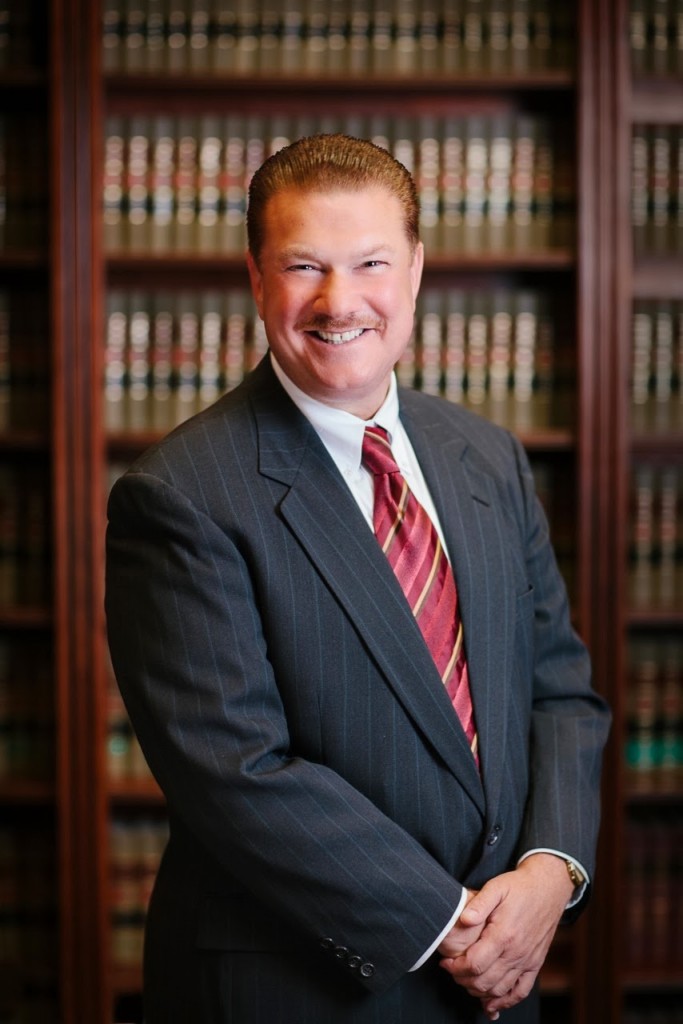 |
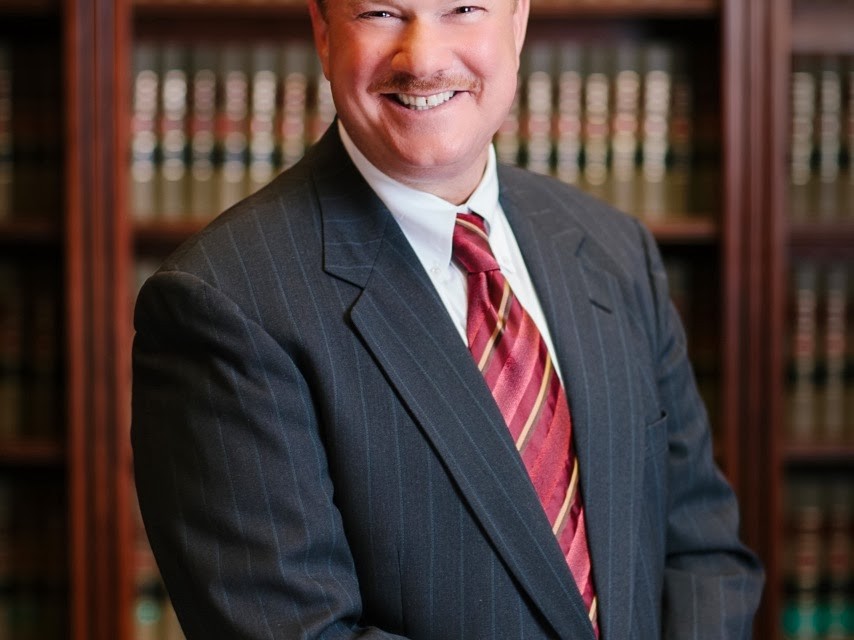
| Lucido |
An open seat in northern Macomb that will be vacated by Rep. Pete
Lund, a Shelby Township Republican, is targeted by another Pete who is a
Republican from Shelby. Pete Lucido, a well-known attorney and a
community activist, is the first candidate to step forward.
In Roseville, term-limited Rep. Harold Haugh, the city’s former
mayor, has endorsed the current mayor, John Chirkun, as his successor.
Both are Democrats.
mayor, has endorsed the current mayor, John Chirkun, as his successor.
Both are Democrats.
In western Warren, Democratic Rep. Jon Switalski must step down after
six years in office but the field of candidates seeking to fill his
28th District seat remains surprisingly uncertain just four months
before the filing deadline.
Among those mentioned as possible contenders are: county Commissioner
Toni Moceri; county assistant prosecutor Derek Miller, son of former
longtime state senator Art Miller; and several city council members.
Toni Moceri; county assistant prosecutor Derek Miller, son of former
longtime state senator Art Miller; and several city council members.
In this Democratic-leaning territory, the August primary election
could decide the race. The November general election likely will have
even less impact in the contests for open seats where Lucido and Chirkun
are competing.
could decide the race. The November general election likely will have
even less impact in the contests for open seats where Lucido and Chirkun
are competing.
In the heavily Republican 36th House District (Washington and Bruce
Townships, most of Shelby Township, and Romeo), Lucido is the first
candidate to file. Political observers expect Shelby Township Clerk Stan
Grot, a former Macomb GOP chairman, to throw his hat into the ring. But
Lucido said he has seen no indications so far that Grot is gearing up
for a run.
Townships, most of Shelby Township, and Romeo), Lucido is the first
candidate to file. Political observers expect Shelby Township Clerk Stan
Grot, a former Macomb GOP chairman, to throw his hat into the ring. But
Lucido said he has seen no indications so far that Grot is gearing up
for a run.
A successful attorney and the founder of one of Macomb County’s
largest law firms, Lucido said he was motivated to run for the
Legislature because of the Michigan economy’s inability to keep talented
graduates in the state. His daughter, Nina, who is getting ready to
graduate from the University of Michigan, is likely to move out of state
in search of a job.
“She told me, ‘What applies in this state is not a good life, a
decent life, a decent wage,” said Lucido, who holds four college
degrees. “What applies now is that she has got to go away and find an
opportunity.”
decent life, a decent wage,” said Lucido, who holds four college
degrees. “What applies now is that she has got to go away and find an
opportunity.”
In fact, Nina may become a key part of the Lucido campaign as father
and daughter plan to film a fireside chat about Michigan’s economic
conditions and make it available to voters on DVD.
and daughter plan to film a fireside chat about Michigan’s economic
conditions and make it available to voters on DVD.
Lucido, 53, will also emphasize his activism in civic groups and
chambers of commerce and his 2003 induction into the Macomb County
Foundation’s Hall of Fame. The candidate, who has never held public
office, is also the founder and publisher of Macomb Now Magazine.
chambers of commerce and his 2003 induction into the Macomb County
Foundation’s Hall of Fame. The candidate, who has never held public
office, is also the founder and publisher of Macomb Now Magazine.
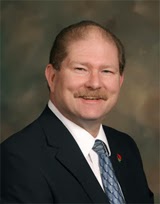 |
| Chirkun |
Chirkun offers a very different background to the voters of the 22nd
House District, which is comprised of Roseville and most of eastern
Warren. He is entering his sixth year as mayor and previously served 13
years on the Roseville City Council. Chirkun, 61, retired in 2004 after
28 years with the Wayne County Sheriff’s Department.
The heavily Democratic House seat, with a decades-long history tied
to Roseville City Hall, was previously held by former Roseville city
clerk Nick Ciaramitaro, former Roseville councilman Michael “Mickey”
Switalski, and Haugh. Chirkun said those ties were valuable to the
constituency.
to Roseville City Hall, was previously held by former Roseville city
clerk Nick Ciaramitaro, former Roseville councilman Michael “Mickey”
Switalski, and Haugh. Chirkun said those ties were valuable to the
constituency.
“Everybody who went up there (to Lansing) from Roseville has had
valuable city government experience,” he said. “I hope to be able to
open the eyes of legislators who don’t understand the needs of the
cities.”
valuable city government experience,” he said. “I hope to be able to
open the eyes of legislators who don’t understand the needs of the
cities.”
So far, Chirkun is the lone candidate who has filed.
On the issues, Lucido and Chirkun both express skepticism about the
$350 million deal announced on Wednesday by Gov. Rick Snyder to help
bankrupt Detroit keep the Institute of Arts intact and to help revive
the city’s pension funds.
“If, as Snyder said, it’s not a bailout, then where does he plan to
put those dollars?” Lucido said, indicating that direct allocations to
the DIA and the pension funds are preferable, though not free of legal
challenges. “If that money just goes into the general fund, we need to
know where it’s going to be allocated. We need transparency.”
put those dollars?” Lucido said, indicating that direct allocations to
the DIA and the pension funds are preferable, though not free of legal
challenges. “If that money just goes into the general fund, we need to
know where it’s going to be allocated. We need transparency.”
Chirkun said he understands the need for a Detroit comeback to keep
the southeast Michigan region strong but many communities outside of the
inner city need help paying for police protection and roads after many
years of revenue sharing cuts by Lansing.
the southeast Michigan region strong but many communities outside of the
inner city need help paying for police protection and roads after many
years of revenue sharing cuts by Lansing.
“I’m not real pleased,” he said. “I’d rather see that money going to
the ‘inner-ring’ suburbs rather than to the Detroit pension fund.”