The New York
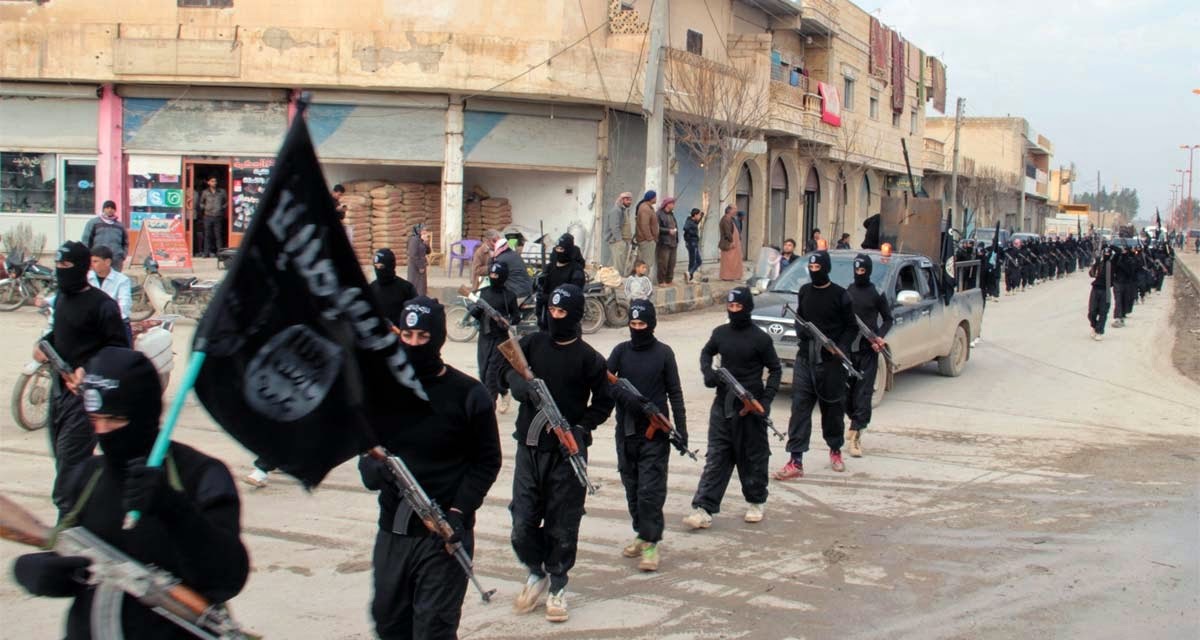
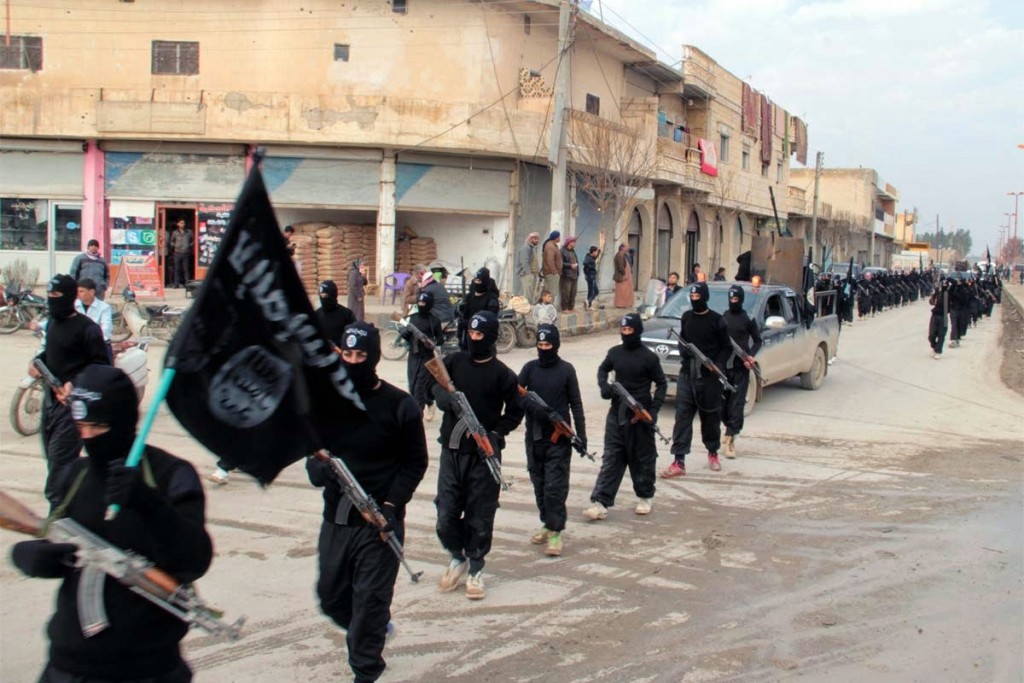
Times ran a revealing piece on Wednesday about Raqqa, a city in northern Syria
that has become the capital for the brutal militant group known as ISIS (the
Islamic State of Iraq and Syria).
Times ran a revealing piece on Wednesday about Raqqa, a city in northern Syria
that has become the capital for the brutal militant group known as ISIS (the
Islamic State of Iraq and Syria).
ISIS, which
refers to itself as simply the Islamic State, took hold of Raqqa and the
surrounding province – an area with a population of about 1 million people – in February and no one, not Bashar al-Assad’s
forces or any other militias, have the military might to force them out.
refers to itself as simply the Islamic State, took hold of Raqqa and the
surrounding province – an area with a population of about 1 million people – in February and no one, not Bashar al-Assad’s
forces or any other militias, have the military might to force them out.
It’s all
still a bit of an experiment but, according to the Times, here’s what a jihadist-led
city looks like:
still a bit of an experiment but, according to the Times, here’s what a jihadist-led
city looks like:
“An aid worker who travels to
Raqqa said the ranks of ISIS were filled with volatile young men, many of them
foreigners more interested in violence than governance. To keep things running,
it has paid or threatened skilled workers to remain in their posts while
putting loyalist supervisors over them to ensure compliance with Islamic rules.
Raqqa said the ranks of ISIS were filled with volatile young men, many of them
foreigners more interested in violence than governance. To keep things running,
it has paid or threatened skilled workers to remain in their posts while
putting loyalist supervisors over them to ensure compliance with Islamic rules.
“… Through strategic
management and brute force, the group … has begun imposing its vision of a
state that blends its fundamentalist interpretation of Islam with the
practicalities of governance.
management and brute force, the group … has begun imposing its vision of a
state that blends its fundamentalist interpretation of Islam with the
practicalities of governance.
“… In the city of Raqqa,
traffic police officers keep intersections clear, crime is rare, and tax
collectors issue receipts. But statues like the landmark lions in Al Rasheed
Park have been destroyed because they were considered blasphemous. Public
spaces like Al Amasy Square, where young men and women once hung out and
flirted in the evenings, have been walled off with heavy metal fences topped
with the black flags of ISIS. People accused of stealing have lost their hands
in public amputations.”
traffic police officers keep intersections clear, crime is rare, and tax
collectors issue receipts. But statues like the landmark lions in Al Rasheed
Park have been destroyed because they were considered blasphemous. Public
spaces like Al Amasy Square, where young men and women once hung out and
flirted in the evenings, have been walled off with heavy metal fences topped
with the black flags of ISIS. People accused of stealing have lost their hands
in public amputations.”