 |
| Logan |
Before we get too deep
into 2014, I wanted to share a piece written by Politico’s media critic, Dylan
Byers, about the 13 biggest media stories and failures of 2013.
into 2014, I wanted to share a piece written by Politico’s media critic, Dylan
Byers, about the 13 biggest media stories and failures of 2013.
It was not a good year for
the longtime gold standard of TV journalism, CBS’ “60 Minutes,” or for TV’s
former leading media critic, Howie Kurtz of CNN. The year also saw big changes at The
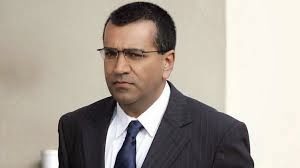
New York Times, the firing of ultraliberal MSNBC columnist Martin Bashir, and an
embarrassing moment for CNN’s normally sturdy John King.
the longtime gold standard of TV journalism, CBS’ “60 Minutes,” or for TV’s
former leading media critic, Howie Kurtz of CNN. The year also saw big changes at The
New York Times, the firing of ultraliberal MSNBC columnist Martin Bashir, and an
embarrassing moment for CNN’s normally sturdy John King.
Here’s a taste of Byers’
piece:
piece:
“2013 was indeed exceptional: Edward
Snowden released the biggest leak in U.S. history; President Barack Obama lost
the goodwill of a press corps that not long ago had been accused of being in
his pocket; and America’s most established news organizations came under new
leadership, from Jeff Zucker at CNN to Jeff Bezos at The Washington Post,
paving the way for a new and uncertain future.
Snowden released the biggest leak in U.S. history; President Barack Obama lost
the goodwill of a press corps that not long ago had been accused of being in
his pocket; and America’s most established news organizations came under new
leadership, from Jeff Zucker at CNN to Jeff Bezos at The Washington Post,
paving the way for a new and uncertain future.
 |
| Bashir |
“One thing hasn’t changed, however:
No one likes us. A Gallup Poll found that Americans trust reporters only
slightly more than car salesmen. It’s not hard to see why: The past year was
chock-full of the some of the worst media gaffes in recent memory: “60 Minutes”
got taken in by a fraudulent source; Howard Kurtz, long the nation’s leading
media critic, fell from grace on account of his own erroneous reporting; and
the New York Post published a front-page photo of two men at the Boston
Marathon who many readers would have thought were the bombing suspects.
No one likes us. A Gallup Poll found that Americans trust reporters only
slightly more than car salesmen. It’s not hard to see why: The past year was
chock-full of the some of the worst media gaffes in recent memory: “60 Minutes”
got taken in by a fraudulent source; Howard Kurtz, long the nation’s leading
media critic, fell from grace on account of his own erroneous reporting; and
the New York Post published a front-page photo of two men at the Boston
Marathon who many readers would have thought were the bombing suspects.
“Oops,
wrong guys. But why apologize?”
wrong guys. But why apologize?”