

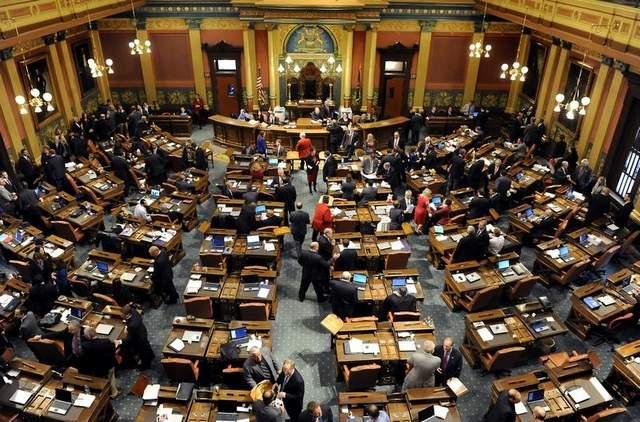
The shenanigans by Republican lawmakers in the Legislature’s lame-duck session have brought national shame on Michigan, to the extent that political pundits and activists are calling for an end to these frenzied, post-election free-for-alls.
But it’s not as easy as it sounds.
Past legislation calling for an end to December lame-duck sessions has never gone anywhere. Suggestions that we need a 2020 petition drive to end these undemocratic maneuvers runs smack up against their own irony – the outrage over the 2018 lame duck centers significantly on the state House and Senate detouring around the intent of voter-launched initiatives.
A broad-based petition in 2020 that calls for substantial reforms in the way the Legislature does business – a state constitutional amendment — would normally be fool-proof, if approved by the voters. But the actions of the last few weeks shows that even voter-approved ballot proposals are not safe from conniving, partisan legislators, based on the alterations currently in the works for Proposals 1, 2 and 3 after each won big at the ballot box.
A 2020 proposal could take a slightly different approach, such as banning the introduction of new bills within 10 days of the November general election, and none post-election. That way, incumbents up for re-election who introduced new, highly partisan bills — such as altering the power of the secretary of state or attorney general — just prior to Election Day would be exposed to campaign criticism that they are preparing for defeat and maneuvering toward manipulation in December.
Stealth amendments could override reform
But a cut-off date doesn’t stop the introduction of stealthy amendments to pending bills as a method of bringing unrelated issues to the floor of the House and Senate.
Some critics say killing the lame duck by ending the biennial legislative session after Election Day is the way to go. But that raises legal problems when first enacted because legislators who are first exposed to this new restriction, while elected to a 2-year term, would see their time in office cut short by about two months.
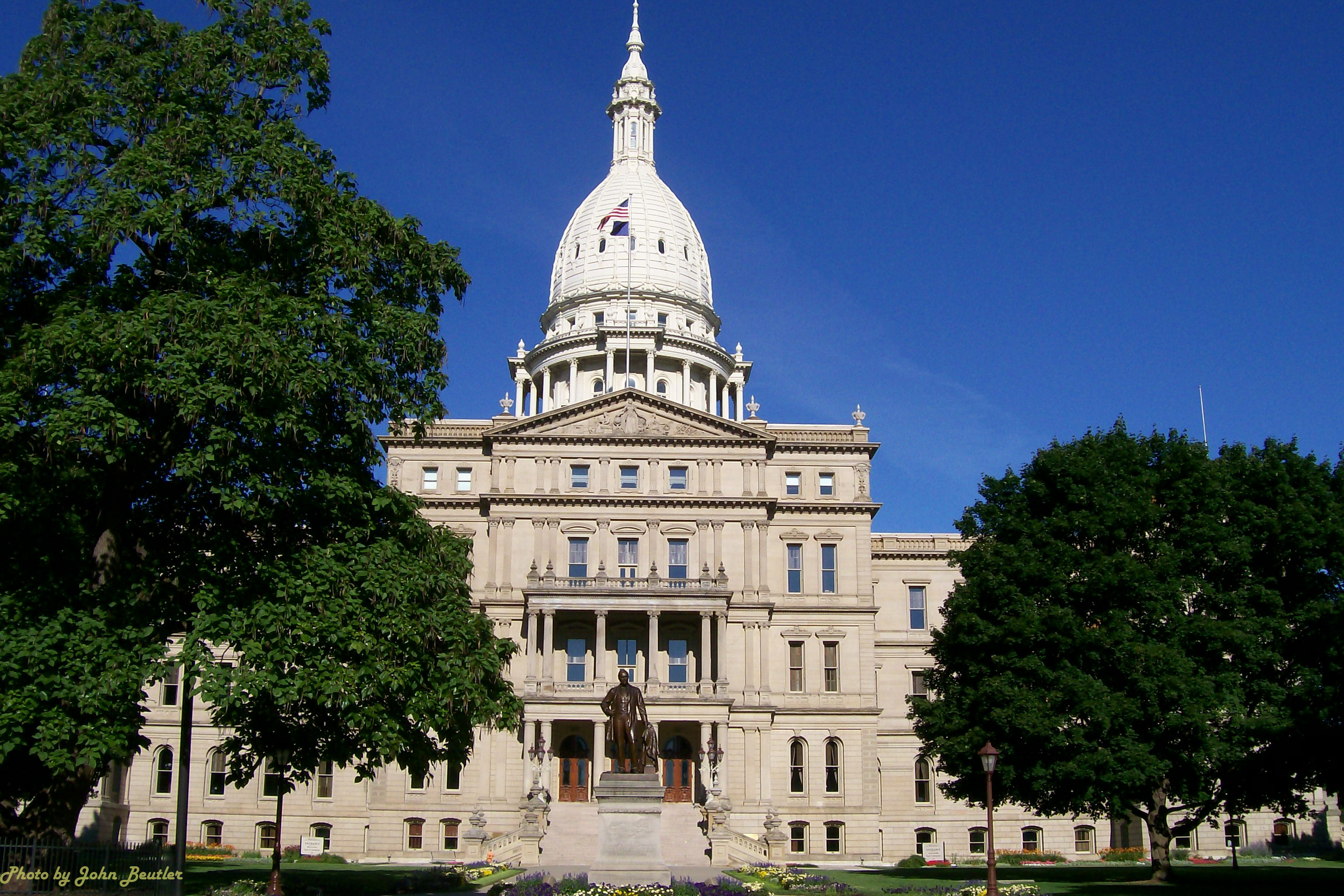 Also, entirely eliminating lame duck ignores the value that these end-of-the-year sessions present. If emergency matters facing the state arise after the November election, legislators need to be ready to act.
In addition, the lame-duck sessions, while chaotic, often succeed in a clean-up process that deals with unfinished business. Credible bills that were put on the shelf or have languished in partisan gridlock for months or more than a year sometimes reach the goal line as the clock ticks down.
But lame ducks are clearly a mixed bag. The most obvious downside is that rushed legislation is brought to a vote after little discussion, with 5 a.m. votes a common occurrence.
A lame-duck session leads to horse trading among members, with some outgoing lawmakers agreeing to support or oppose a bill in exchange for help in their post-legislative career, such as a promise of a lobbying job. Term-limited or retiring legislators on their way out the door are less likely to maintain the party line or adhere to the demands of special interest groups – which is a good thing – but they also sometimes part ways with the ideological wishes of their constituents.
Term limits a big factor
Of course in Michigan, the lame duck carries a special significance due to the state’s toughest-in-the-nation term limits law. Many of the legislators making decisions in Lansing will never be seen or heard from again by voters. As the current Legislature takes on countless issues with the hope of a final adjournment on Dec. 20, 30 of the 38 state senators are making a last stand before their final exit from the Capitol. In the House, more than two dozen members will not be back in January. So, what we have is unaccountable legislators passing consequential legislation.
Outgoing Gov. Rick Snyder may face signing or vetoing as many as 200 new bills before the year is over. Which brings up a key symptom of lame duck-itis. Elected officials are best at procrastination and obfuscation.
In this election year, the Michigan Legislature has barely met since prior to Memorial Day weekend. Key business was sluffed off by lawmakers in favor of time devoted to campaigning in the August primaries and the November general election.
In Washington, Congress has set the tone for every state legislature. In 2014, an analysis by the Pew Research Center found that 87 bills were passed during the lame-duck period that December, which was nearly one-third of all the bills passed during the entire two-year term.
According to Bridge Magazine, Michigan is among a handful of states with a dubious distinction: It puts no end date on its legislative calendar.
The first lame-duck session in Michigan occurred in the state Legislature in 1900, and in the 70 years that followed just nine lame ducks were held. Since then, Michigan lawmakers have met in lame-duck session in every even-numbered (election) year.
Other states, countries have a different way
As for the gap between the November election and the January start of a new legislative session, critics say this is an archaic throwback to the horse-and-buggy days when lawmakers faced a lengthy trip to the Capitol. They no longer face such a bumpy road.
For example, in Florida, legislators’ terms begin on Election Day. In Alaska, newly elected Republican Gov. Mike Dunleavy has already been sworn in. Among some of our most trusted U.S. allies, democracy works fast.
French President Emmanuel Macron took office seven days after his election victory in 2017. For Canadian Prime Minister Justin Trudeau, the 2015 gap between election and ascension was about two weeks. In Britain, former Prime Minister David Cameron showed up for work just five days after the general election.
The media coverage of the Michigan GOP’s aggressive, anti-Democratic approach to lame duck in Lansing has been brutal. Media outlets such as the New York Times, Washington Post, CNN, NBC and USA Today have portrayed the political maneuvering as an “end run” around the voters’ choices on the November ballot. Anti-Democratic has become anti-democratic.
Michigan’s national political persona has become intertwined with similar power play tactics by Republicans in Wisconsin and North Carolina.
To be clear, Democratic state legislators have engaged in similar post-election bad behavior over the past few decades in New Jersey, Alabama, Illinois, Massachusetts and North Carolina.
Regardless of which party trips the switch, political analysts fear that the tactics of 2018 could become the new trend, the new normal.
In Michigan, we need a 2020 ballot proposal on lame duck that sparks a lengthy statewide debate just as we saw in recent months over Proposal 1, 2 and 3. While state legislators are busy campaigning to save their jobs in the ’20 summer and fall, the public could weigh the pros and cons of ending or limiting the lame duck.
At that point, lawmakers accustomed to kicking the can down the road until the raucous lame-duck session certainly wouldn’t be so brash as to again revise petition-driven, voter-supported changes, would they?
Or, are they that shameless?





i am really getting sick of it in this state. we have them now trying to pass a bill to prevent Libertarians and other 3rd parties from being involved with the redistricting in 2021.