If your boss gathered you and your co-workers together for an announcement and said that next year everyone will receive a 1.6 percent pay raise, would that news generate cheers, or groans?
Well, that scenario has essentially played out in Congress over the past few weeks as the tax reform plan headed for the president’s signature would provide an income boost of about 1.6 percent to a middle class family (those earning between $48,000 and $86,000).
Congressional Republicans who cobbled together this tax legislation sound dismayed that the bill is so unpopular with the public. Polls indicate that only about one-fourth of Americans support the plan. Much of that skepticism is based on projections that Wall Streeters and the otherwise wealthy will gain the bulk of the tax cuts, but the promised increase in economic growth and jobs for Middle America may never materialize.
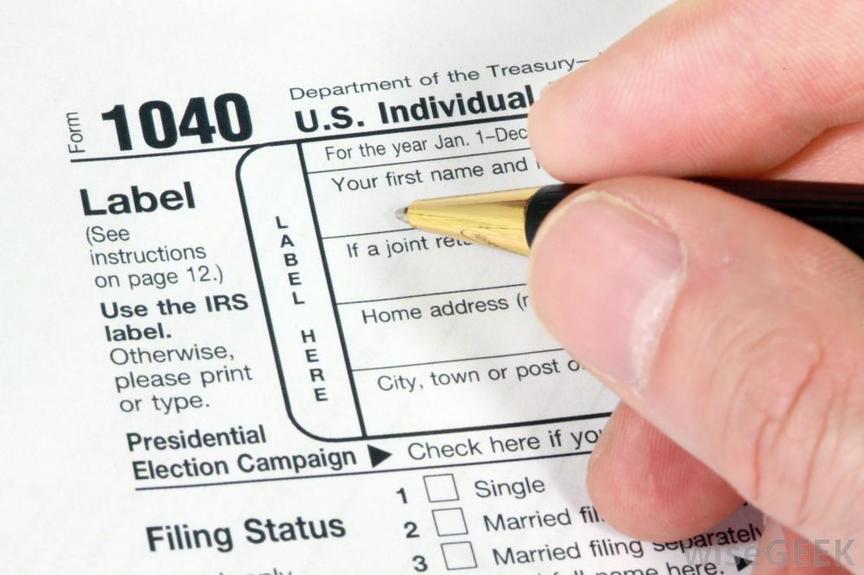
On an individual basis, as with the details in any tax reform plan, the tradeoffs are numerous. For example, the bill virtually doubles the IRS’ standard deduction on income tax forms but it also eliminates the personal exemption. In some parts of the country, the reductions in IRS deductions will have a substantial effect. The real estate industry warns that home values will decline across much of the nation. More importantly, the individual tax cuts are temporary while the substantial corporate cuts are permanent.
According to the nonpartisan Tax Policy Center, most households would get a tax cut at first, with the biggest benefits going to those with the highest incomes. While a few corporations are handing out employee bonuses to celebrate the corporate cuts, after 2027, when nearly all of the bill’s individual income tax provisions will expire, only high-income people would get a meaningful tax cut. About 45 percent of low-income households would pay roughly the same amount of tax as they do today.
$20 a week
What Republicans on Capitol Hill fail to realize is that a middle class family making about $1,000 a week does not express great tidings of joy just because they will gain $20 or $30 in weekly after-tax income.
One fact that is widely misunderstood is that the average middle income family – after tax deductions, exemptions and credits – currently pays a true tax rate, the “effective” tax rate, of just 3.4 percent on their annual income.
What’s more, those deductions and credits create a situation where about 40 percent of households pay no federal income tax – though they still pay Medicare and Social Security payroll taxes, excise taxes on gasoline and such, sales taxes and other state and local taxes.
Still, recent Gallup polling shows that taxes don’t make the Top 10 list of biggest issues facing the country. Only 2 percent of Americans mention taxes as a big problem.
More importantly, what all this data reveals is that the numbers game has worked against the Republican tax-cutters for decades.
As much as the GOP hammers away at government “bureaucrats” and inefficiencies in Washington, those living paycheck to paycheck may never recognize a bountiful tradeoff based on the Holy Grail of conservatism – a government-shrinking combination of tax cuts and spending cuts.
Consider the fate of the Childrens Health Insurance Program. While tax reform heads toward a final Republican victory in the nation’s capital, CHIP, the health care program for middle class kids created in a bipartisan fashion two decades ago, remains in limbo. The funding for CHIP that Congress let expire in recent weeks amounts to between $9 billion and $13 billion.
For tens of thousands of families, CHIP makes the difference in life-and-death circumstances for their kids, yet just a tiny tweak in the 21 percent corporate rate within the tax reform bill could free up the necessary dollars to make the program whole once again.
In short, the tax reform bill relied upon numerous political deals cut on Capitol Hill. Parents of CHIP children might be especially angered that a simple revision in the tax breaks awarded to the craft beer industry would produce $10 billion in revenue, enough to shore up the health care program for kids.
Budget gimmicks
In fact, the Committee for a Responsible Federal Budget, a nonpartisan group that focuses on reducing federal budget deficits, found that hundreds of billions of dollars of “gimmicks” in the congressional tax reform plan try to mask the amount of budget shortfalls to come. The result could mean another $2 trillion of red ink over the next decade, in addition to the previously projected $10 trillion hole added to the national debt by 2027.
That may lead to future funding cuts by Congress in three of the nation’s most basic safety net programs — Medicare, Medicaid and Social Security. In addition, a wide swath of federal programs that help many families in many small ways – whether assistance with heating bills in the inner city or crop subsidies for rural farmers — could nearly disappear.
The reason is that the numbers game within a country this large and economically diverse means that tax cuts remain minimal for most families, but a tiny amount of taxes paid per household collectively amounts to a stunning array of public services.
A centrist research group, Third Way, found in 2011 that the typical federal taxpayer dishes out less than $1 a week for these services: Customs and Border Protection, mass transit, special education, Centers for Disease Control (CDC), National Forest Service, FBI, foster care and adoption, NASA, the entire Agriculture Department, employment and training programs, the entire worldwide U.S. diplomatic corps, National Science Foundation, and the Environmental Protection Agency (EPA).
Therein lies the Republican conundrum. Can they convince average Americans, at a time when persistent potholes and airport incompetence and extravagant health care costs are everywhere, that providing them tax cuts which pay for a daily Starbucks latte or a Big Mac is a sound tradeoff?
Recent Posts:
 Michigan plan for guns in schools, churches captures…
- Nearly 700,000 Michigan kids would be left out under…
- Why hasn’t congressional tax reform embraced higher…
- Drolet’s anti-tax group on a winning streak
- Will Michigan get scammed by federal tax reform?
- How to avoid ‘death tax?’ Drink 311,000 bottles of whiskey