
I haven’t read the entire article yet, but a 7,000-word
piece published over the weekend that paints a far more nuanced picture of the
2012 Benghazi attack than what had emerged on Capitol Hill has already created
quite a buzz.
piece published over the weekend that paints a far more nuanced picture of the
2012 Benghazi attack than what had emerged on Capitol Hill has already created
quite a buzz.
Republican congressmen, including Mike Rogers of
Michigan, who have access to intelligence reports have criticized The New York Times story.
But it’s difficult to brush aside a piece that is based on numerous interviews
with Libyan militia leaders in the Benghazi territory. That is the
good-journalism approach taken by the Times’ David Kilpatrick.
Michigan, who have access to intelligence reports have criticized The New York Times story.
But it’s difficult to brush aside a piece that is based on numerous interviews
with Libyan militia leaders in the Benghazi territory. That is the
good-journalism approach taken by the Times’ David Kilpatrick.
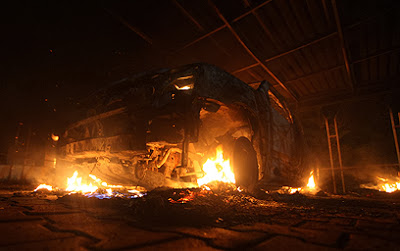
Kilpatrick found that the attack on the U.S. consulate which killed four
Americans was not a well-planned military engagement led by al-Qaida; but it
was also not a spontaneous attack by angry militants.
Americans was not a well-planned military engagement led by al-Qaida; but it
was also not a spontaneous attack by angry militants.
“The reality in Benghazi was different, and murkier, than
either of those story lines suggests,” Kilpatrick wrote. “Benghazi was not
infiltrated by al-Qaida, but nonetheless contained grave local threats to
American interests. The attack does not appear to have been meticulously
planned, but neither was it spontaneous or without warning signs.”
either of those story lines suggests,” Kilpatrick wrote. “Benghazi was not
infiltrated by al-Qaida, but nonetheless contained grave local threats to
American interests. The attack does not appear to have been meticulously
planned, but neither was it spontaneous or without warning signs.”
Essentially, the Times found that there is plenty of
blame to go around when assigning culpability for the death of Ambassador Chris
Stevens and three others. The reality is about much more than Susan Rice or talking points or an
anti-Islam video or various military responses that were never employed.
blame to go around when assigning culpability for the death of Ambassador Chris
Stevens and three others. The reality is about much more than Susan Rice or talking points or an
anti-Islam video or various military responses that were never employed.
CNN notes that, after reading the story, President Obama’s
former national security spokesman Tommy Vietor unleashed a series of angry tweets
condemning Republicans who’ve spent more than a year lambasting the White House
over the Benghazi incident. Here are a few:
former national security spokesman Tommy Vietor unleashed a series of angry tweets
condemning Republicans who’ve spent more than a year lambasting the White House
over the Benghazi incident. Here are a few:
* “If Rs spent 1/50th as much time as @ddknyt
learning what really happened in #Benghazi, we could have avoided months of
disgusting demagoguery.”
learning what really happened in #Benghazi, we could have avoided months of
disgusting demagoguery.”
* “Republicans inflated the role of al Qaeda in
#Benghazi to attack Obama’s CT record. They were wrong, and handed our enemy a
propaganda win.”
#Benghazi to attack Obama’s CT record. They were wrong, and handed our enemy a
propaganda win.”
* “Credit to @ddknyt but also disconcerting that his
#Benghazi article offered more insight into what happened than all
Congressional hearings.”
#Benghazi article offered more insight into what happened than all
Congressional hearings.”
The Times’ article’s most lasting contribution may be the
revelation that the diverse and fractured opposition militias that brought down
Muhammar Ghadafi, many of whom were assumed to be friendly with the U.S., most
likely sparked the attack on the American compound in Benghazi.
revelation that the diverse and fractured opposition militias that brought down
Muhammar Ghadafi, many of whom were assumed to be friendly with the U.S., most
likely sparked the attack on the American compound in Benghazi.