

 |
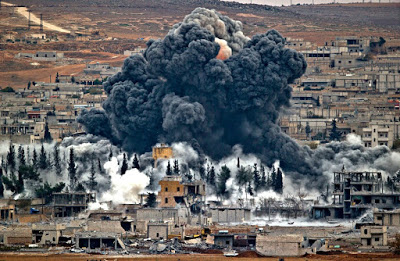
| Military experts have warned repeatedly that air strikes alone cannot defeat ISIS. |
While we enter a new phase of foreign policy politics,
with presidential candidates and members of Congress competing for the
“Toughest on ISIS” trophy, it’s worth rewinding back to the Spring when a
declaration of war against the Islamic State floundered in Washington and
quietly faded away.
U.S. forces had been bombing
ISIS targets repeatedly when Republicans in Congress insisted that the Obama
administration come forward with a declaration of war against the Islamic State for House
and Senate approval.
ISIS targets repeatedly when Republicans in Congress insisted that the Obama
administration come forward with a declaration of war against the Islamic State for House
and Senate approval.
The president complied. In
February, flanked
by Vice President Joe Biden, Secretary of State John Kerry and Secretary of
Defense Chuck Hagel, Obama announced that he was sending a war
declaration – known in current parlance as an Authorization for the Use of Military
Force (AUMF) – to Capitol Hill. What followed was a typical
congressional logjam, with 535 opinions and no consensus.
By April, top Republican leaders in the House confirmed that Obama’s
war proposal was going nowhere and lawmakers, who lacked the appetite to
embrace the president’s war on ISIS, were in no hurry to pass an alternative.
Kevin McCarthy, the majority leader, told reporters the
administration’s draft simply could not garner the 218 votes it needed to pass
the House.
war proposal was going nowhere and lawmakers, who lacked the appetite to
embrace the president’s war on ISIS, were in no hurry to pass an alternative.
Kevin McCarthy, the majority leader, told reporters the
administration’s draft simply could not garner the 218 votes it needed to pass
the House.
GOP objected to limits on commander-in-chief
It’s important to note that Obama had invited Congress
both to approve and to limit his authority to take on ISIS. The
proposal’s prohibition of the use of “enduring offensive ground combat
operations” was designed to garner support from war-weary Democrats, but
it ran into opposition from Republican leaders who didn’t want to constrain the
military.
Of course, Nancy Pelosi’s
contingent of House Democrats became a non-factor as they opposed their
president and dismissed the AUMF as too hawkish. Some dove Dems in the Senate
followed suit.
contingent of House Democrats became a non-factor as they opposed their
president and dismissed the AUMF as too hawkish. Some dove Dems in the Senate
followed suit.
It’s important to remember
that, at this point, the idea of putting boots on the ground, despite obvious
limitations to the ongoing air war, was opposed by a bipartisan majority on
Capitol Hill. The GOP’s newly emerging split – between hawks and
neo-isolationists – moved to the forefront.
that, at this point, the idea of putting boots on the ground, despite obvious
limitations to the ongoing air war, was opposed by a bipartisan majority on
Capitol Hill. The GOP’s newly emerging split – between hawks and
neo-isolationists – moved to the forefront.
The “whatever it takes”
mentality that we’ve heard coming out of Washington in the past 72 hours since
the Paris attacks was nearly nonexistent just a few months ago.
mentality that we’ve heard coming out of Washington in the past 72 hours since
the Paris attacks was nearly nonexistent just a few months ago.
At that time, former Clinton
and Bush administration counter-terrorism czar Richard Clarke pointed
out the extraordinary process that was taking place.
and Bush administration counter-terrorism czar Richard Clarke pointed
out the extraordinary process that was taking place.
Lack of congressional action ‘incredible’
“Congress has been asked by
the president months ago now to make a decision, to vote on the use of force
against ISIS. And they’ve refused to do it. It’s incredible.”
The Atlantic reported this:
“The whole exercise has bordered on the absurd. A quick
recap: The administration has argued all along that it doesn’t actually need
new authorization for the war, because the 2001 and 2003 resolutions that
Congress passed—and never repealed—allow for military action against ISIS as a
terrorist group that branched off from Al Qaeda in Iraq. Speaker John Boehner
demanded for months that Obama submit a formal (war) proposal, but when the
White House finally did, he left it for dead.”
By late May, the always-articulate
Peter Beinart wrote a piece for The Atlantic that pointed out the Obama
administration’s absurd assumption that post-9/11 congressional resolutions
extend to ISIS, a group that did not exist at that time.
Peter Beinart wrote a piece for The Atlantic that pointed out the Obama
administration’s absurd assumption that post-9/11 congressional resolutions
extend to ISIS, a group that did not exist at that time.
Yet, the reason the
new AUMF went nowhere, according to Beinart, was that members of Congress – and
especially the GOP presidential candidates on Capitol Hill – could demand that
Obama destroy ISIS while remaining vague on the details. A vote on specific
language would have forced Sens. Ted Cruz, Marco Rubio, Rand Paul and Lindsey
Graham to answer hard questions. Do they support long-term U.S. ground
operations? Should the war be open-ended? Should it be limited to Iraq and
Syria or cover the entire globe?
The heart of the matter
Here’s where Beinart got to
the heart of the matter:
Here’s where Beinart got to
the heart of the matter:
“That’s precisely the kind of debate the Constitution requires. And it’s a debate America needs. Ever since
last summer, when ISIS grabbed headlines with its military offensives and
ghastly beheadings, Obama’s hawkish critics have largely tried to have it both
ways. They’ve depicted ISIS as a massive threat to the United States. And yet,
recognizing the public’s desire to avoid another land war, they’ve mostly
avoided proposing the large-scale deployment of
U.S. troops.
“… Voting on a specific war
resolution—or resolutions—would make that evasion harder because it would force
Republicans to define the parameters of the war they want to fight. And, just
as importantly, it would force Hillary Clinton to do the same.
resolution—or resolutions—would make that evasion harder because it would force
Republicans to define the parameters of the war they want to fight. And, just
as importantly, it would force Hillary Clinton to do the same.
“Two of the things GOP
presidential candidates love talking about most are national security and the
Constitution. Pushing for a vote on war with ISIS would be an excellent way to
prove they’re serious about both.”
presidential candidates love talking about most are national security and the
Constitution. Pushing for a vote on war with ISIS would be an excellent way to
prove they’re serious about both.”

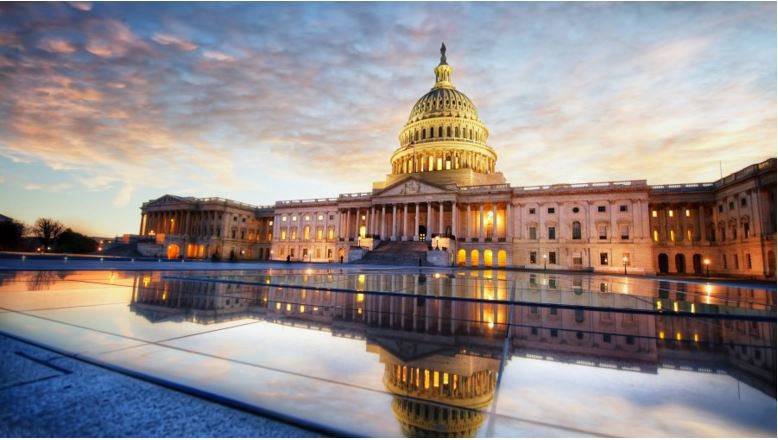
So… What is to prevent President Obama from reintroducing a declaration of war? Would not the new speaker and the various GOP hawks be forced to put their 'money where they're mouth is"? At this particular point, the ante has been raised such that the false bravado directed against the administration would be fully disclosed for what it is.